
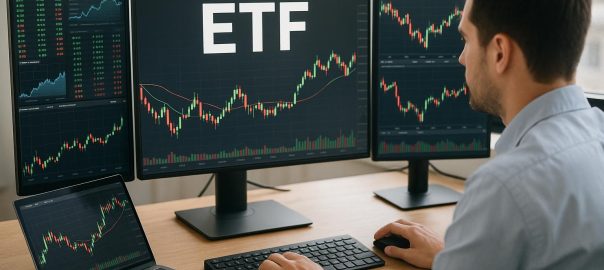
Understanding ETF Day Trading
Exchange-traded funds (ETFs) have gained traction among day traders due to their characteristics, which include high liquidity, diversification, and low expense ratios. Trading ETFs is akin to trading stocks, as they can be bought and sold on the exchange throughout the day. This capability offers day traders numerous opportunities to profit from short-term price movements in the market. Comprehending the foundational mechanics and strategies behind ETF trading is vital for traders aiming to maximize their potential returns.
Liquidity and Volatility
A prominent feature of ETFs is their high level of liquidity, a critical factor for successful day trading. High liquidity ensures that traders can seamlessly enter and exit positions without causing substantial price disruptions. Simultaneously, volatility plays a significant role in formulating day trading strategies. ETFs characterized by high volatility can present opportunities for sizeable gains; however, this comes with an elevated risk level. Therefore, traders must thoroughly understand the volatility of the ETFs they are interested in to tailor their strategies effectively.
Choosing the Right ETFs
Selecting the appropriate ETFs for day trading involves a careful evaluation of several factors, including trading volume, underlying asset class, and price movement trends. ETFs that are heavily traded usually boast enhanced liquidity and tighter bid-ask spreads. For instance, ETFs tracking major indices, such as the S&P 500, often experience high volumes, making them favorable options for day traders.
For traders looking to explore more specialized ETFs, options include commodities-based ETFs or those focused on specific sectors. However, these ETFs might have broader spreads and necessitate more meticulous analysis. Utilizing financial tools on platforms like NASDAQ or Bloomberg ETF Center can aid traders in analyzing these aspects thoroughly.
Market Analysis Techniques
Successful day trading hinges upon a solid market analysis foundation. Traders frequently employ technical analysis techniques to decipher potential opportunities. Moving averages, the relative strength index (RSI), and candlestick pattern analyses are among the tools commonly used to predict short-term price movements and to determine entry or exit points for trading positions.
While technical analysis is essential, fundamental analysis also plays a significant role, especially when considering ETFs with sector-specific or regional exposure. Influential news regarding economic indicators or geopolitical changes can dramatically affect these ETFs’ values. Thus, having access to real-time news feeds and analysis through financial news platforms such as CNBC or Reuters Finance can be crucial.
Risk Management and Stop-Loss Orders
Given the inherent risks in day trading, deploying effective risk management strategies becomes imperative. Among common strategies is the use of stop-loss orders; these automatically sell the ETF if its price dips below a predefined level, thereby limiting potential losses. Additionally, implementing position sizing and diversifying trades can help mitigate risk effectively. By restricting the capital allocated to any single trade, traders can avert significant losses if the market turns adversely.
Understanding and managing the risks associated with day trading ETFs is fundamental for traders seeking long-term success and profitability in their trading efforts. It is equally important to constantly review and adjust trading strategies in response to evolving market conditions.
In essence, by employing sound strategies and leveraging the appropriate tools, day traders can expertly navigate the dynamic landscape of ETF trading, seizing opportunities presented by both daily market fluctuations and broader market trends. As traders continue to refine their skills and adapt to changing environments, ETF day trading can be a rewarding endeavor, contingent upon disciplined strategy execution and thorough market analysis. By maintaining a balanced approach to risk and identifying promising trading opportunities with precision, traders can harness the full potential of ETFs as vehicles for achieving their day trading goals.
This article was last updated on: April 17, 2026