
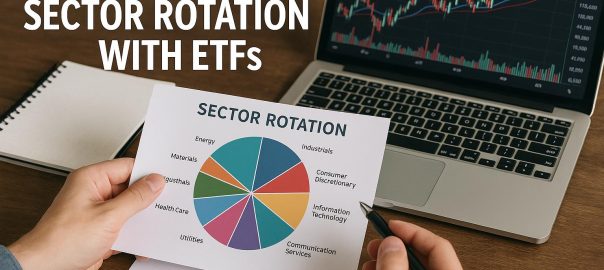
Understanding Sector Rotation
Sector rotation is a strategic approach employed by investors to enhance portfolio performance by reallocating assets among different sectors of the economy. This investment strategy revolves around anticipating which sectors are likely to outperform others during the various phases of the economic cycle. By capitalizing on these predictable patterns, investors aim to improve their returns while minimizing risks.
Why Use ETFs for Sector Rotation?
Exchange-Traded Funds (ETFs) serve as optimal instruments for executing a sector rotation strategy. Their inherent diversification means that an investor does not need to rely on the performance of a single company. Instead, ETFs offer exposure to a broad array of companies within a specific sector, thereby distributing risk. Moreover, ETFs provide liquidity, allowing investors to buy and sell easily in the market. The cost-effectiveness of ETFs further adds to their appeal, as they often have lower management fees compared to mutual funds.
ETFs are especially convenient for facilitating transitions from one sector to another, thanks to the abundance of sector-specific options available. Investors can swiftly adjust their portfolios in response to changing economic conditions, taking advantage of shifting sector performances.
Economic Cycles and Sector Performance
Understanding how different sectors perform throughout the economic cycle is a fundamental aspect of sector rotation. The economic cycle itself consists of several phases, each characterized by varying levels of growth, contraction, and recovery.
Expansion: This phase is marked by rising economic activity and increased consumer confidence. During periods of economic expansion, sectors such as consumer discretionary and technology tend to outperform. Consumer discretionary companies benefit from increased consumer spending on non-essential goods, while technology firms often receive more business investments aimed at innovation and efficiency.
Peak: At the peak of the economic cycle, demand for raw materials often rises, bolstering sectors like energy and basic materials. Higher commodity prices during this time can lead to increased revenues for companies operating within these sectors.
Contraction: Economic downturns, or contractions, often prompt investors to seek refuge in defensive sectors. Sectors such as healthcare and utilities, which provide essential goods and services, typically exhibit resilience during these periods, maintaining steady performance even as other areas of the market falter.
Trough: As the economy begins to recover from a downturn, financials and industrials might see a resurgence. This renewed growth phase is characterized by increased capital expenditure, benefiting sectors that are integral to economic rebuilding and expansion.
Implementing Sector Rotation with ETFs
Implementing a successful sector rotation strategy using ETFs involves a series of calculated steps. The key to success lies in accurately identifying the current phase of the economic cycle and choosing the appropriate sector-specific ETFs.
Step 1: Identify the Current Economic Phase
The first step in implementing this strategy is to assess the current economic landscape. Investors can turn to key economic indicators like GDP growth rates, unemployment statistics, and measures of inflation to gauge the prevailing conditions. Regularly reviewing reports and data from reputable government agencies and financial news outlets can provide valuable insights into the current economic phase.
Step 2: Select Sector-Specific ETFs
Upon identifying the economic phase, the next step is selecting the corresponding sector-specific ETFs. For instance, in times of expansion, ETFs tracking consumer discretionary or technology sectors might be considered. Investors have access to a multitude of sector-specific ETFs provided by prominent financial institutions, such as the Vanguard and SPDR series. These offerings allow investors to tailor their selections based on personal preferences and investment goals.
Step 3: Monitor and Adjust
A dynamic sector rotation strategy requires regular monitoring and adjustment of the portfolio. Economic conditions are subject to change, and shifts in market environments demand timely responses. Investors should consistently review their holdings to align with emerging opportunities and mitigate risks associated with underperforming sectors. Taking a proactive approach to portfolio management is essential to the success of a sector rotation strategy.
Considerations and Risks
While sector rotation holds promise, it is essential to recognize the risks associated with this investment approach. Accurately predicting the phases of economic cycles poses a challenge, and mistimed trades can result in substantial losses. Additionally, frequent portfolio adjustments may incur transaction fees and tax implications, impacting overall profitability.
Diversification beyond sector rotation can offer added stability, as relying solely on this strategy may expose investors to greater fluctuations. The inherent unpredictability of markets underscores the importance of maintaining a balanced investment approach that accounts for a range of potential scenarios.
For investors seeking personalized guidance, consulting a professional financial advisor is advisable. Such experts can offer tailored advice based on individual financial situations and objectives. Further resources and comprehensive insights into sector rotation strategies are available through reputable financial services and investment firms, aiding investors in making informed decisions.
In conclusion, sector rotation leverages the cyclical nature of the economy to enhance investment returns. By understanding economic cycles and utilizing ETFs, investors can effectively implement this strategy. However, it is crucial to remain vigilant, considering the potential risks and opportunities that accompany sector rotation.
This article was last updated on: July 17, 2026