
Expanding on the Concept of Filtering ETF Trade Ideas
Exchange-Traded Funds (ETFs) have become indispensable in the portfolios of many investors due to their unique combination of benefits. These range from tax efficiency to liquidity, offering a mix between the features of mutual funds and individual securities. With the vast array of ETFs available in the market, investors are often faced with the challenge of selecting suitable ones for their portfolios. Filtering ETF trade ideas effectively is crucial for making informed decisions, and this process can become overwhelming without the right tools and strategies in place.
Comprehensive Understanding of ETF Screeners
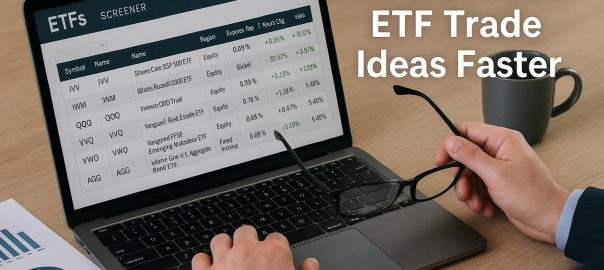
To begin with, ETF screeners serve as pivotal tools for investors. These screeners are designed to filter through thousands of ETFs based on several criteria. Investors can specify filters such as asset class, which denotes the category of investments an ETF falls into, or geographical focus, indicating the regional emphasis of the fund. ETFs can also be sifted through sector filters, allowing investors to focus on particular areas such as technology, healthcare, or finance. One of the critical metrics many use is the expense ratio, as lower ratios usually translate to higher returns by reducing costs. By allowing for multiple criteria at once, these tools ensure that investors can swiftly identify ETFs that match their investment goals and preferences.
Evaluation and User Experience
An effective ETF screener is characterized by its ease of use and comprehensive filter options. Platforms provided by reliable financial websites or brokerage services often host sophisticated screeners that facilitate this process. These platforms might also offer tutorials or user guides, making it easier for both beginners and seasoned investors to navigate. The ability to personalize filters and remember settings for future searches can also be a boon, enhancing the usability of these screeners immensely.
Incorporating Market Trends in Decision Making
In addition to technical tools, keeping a keen eye on market trends enhances an investor’s ability to spot favorable ETF trade ideas. Market trends involve broader economic signals and shifts within different industries or regions. For instance, if there’s a boom in renewable energy due to environmental policy changes, this might spotlight ETFs focusing on clean tech sectors. By consistently reviewing market news and economic releases, investors can gauge which sectors might experience growth or decline. Understanding these trends helps in anticipating performance potential and investment risks associated with different ETFs.
Understanding Economic Indicators
Economic indicators, such as GDP growth rates, unemployment numbers, and inflation data, can add another layer of context to make sense of market trends. For instance, rising inflation might lead to increased interest rates, impacting bond ETFs inversely. Investors who understand these nuances can adjust their strategies accordingly.
Resourcefulness through Analytical Reports
Utilizing comprehensive analytical reports is another effective strategy for filtering ETF ideas. Financial institutions and research firms provide in-depth reports that elaborate on the performance of various ETFs, including their past trends and projected future performance. These reports offer a deep dive into aspects such as the underlying assets of an ETF and the overall market sentiments affecting them. Access to such detailed analytical reports can be crucial for investors seeking to make data-driven decisions.
Regular Subscriptions and Updates
By subscribing to reputable financial analysis services, investors can regularly receive updates that are critical to their investment strategies. These services not only provide reports but also carry forecasts and analyses of future market developments, contributing substantively to the decision-making process.
Automation for Streamlined Decision-Making
To optimize real-time decision-making, automating alerts and notifications becomes indispensable. Setting up these alerts allows investors to be promptly informed about any significant price movements or volume changes. Automation ensures that investors remain in the loop concerning critical developments that might affect their chosen ETFs without continuously monitoring them manually. Many investment platforms enable users to customize these alerts according to their preferences, such as specific price thresholds or news concerning underlying assets within an ETF.
Efficiency through Technology
Modern technology allows these notifications to be delivered instantly via email, mobile apps, or desktop notifications. This flexibility ensures investors are never out of touch with changes, regardless of their physical location, enhancing the responsiveness to market shifts.
Gaining Insights through Peer Discussions
Engaging in online investment communities and forums can enrich an investor’s approach towards filtering ETFs. These platforms enable the exchange of ideas, allowing participants to gain fresh insights from a diverse pool of investors. Whether through traditional forums, social media groups, or more formal networking events, interaction with peers can sharpen one’s analytical perspectives. This exchange of knowledge may spotlight potential ETF trade areas initially overlooked.
Critical Evaluation of Peer Input
Despite the potential for shared insights, it is vital to exercise due diligence. Investors should critically evaluate any information gathered from these platforms, remembering that anecdotal evidence may not always align with broader trends or rigorous analyses.
Conclusion: An Integrated Approach
Filtering ETF trade ideas effectively demands a well-rounded strategy that includes the use of advanced tools, market insights, analytical resources, automated alerts, and peer engagements. Each element complements the other, creating a robust framework through which investors can effectively navigate the complex ecosystem of ETFs.
By implementing and tailoring these strategies to one’s individual investment goals and risk tolerance, investors position themselves aptly to identify promising opportunities in the vast landscape of ETFs. Staying proactive, employing technology, and continuously seeking knowledge will facilitate making well-informed investment decisions, aiding in the pursuit of financial goals.
This article was last updated on: October 3, 2026