
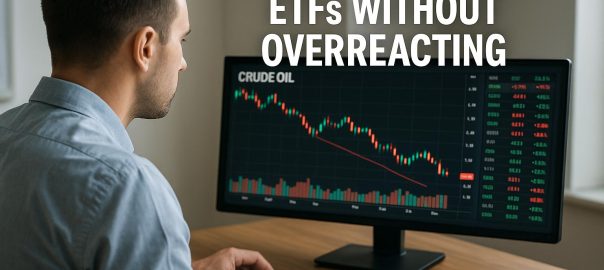
Understanding Oil ETFs
Oil Exchange-Traded Funds (ETFs) are financial instruments that provide investors with an opportunity to gain exposure to the price movements of crude oil, without the necessity of purchasing and physically storing oil barrels themselves. These funds are particularly advantageous for individuals who are interested in investing in oil futures or businesses engaged in the production of oil and related sectors. Understanding the structure and purpose of oil ETFs is vital to avoid succumbing to short-term market fluctuations. An informed approach requires a comprehensive analysis of their underlying components, market trends, and effective trading strategies.
Key Components of Oil ETFs
The initial step in trading oil ETFs effectively is a thorough comprehension of their fundamental components.
Futures Contracts: A core characteristic of many oil ETFs is their association with oil futures. These are standardized agreements to buy or sell oil at a pre-specified price on a predetermined future date. These instruments allow investors to speculate on future oil prices without holding the physical commodity.
Stock Holdings: Additionally, some oil ETFs also include stocks of companies that are deeply involved in various segments of the oil industry. These companies could be engaged in the extraction, production, and distribution of oil and petroleum products. Such diversification within the ETF structure can offer investors broader exposure to the sector beyond mere oil price fluctuations.
Analyze Market Trends
An effective approach to trading oil ETFs involves focusing on long-term trends rather than reacting to short-term price swings. The oil market is known for its volatility, influenced by geopolitical events, shifts in supply-demand dynamics, and various macroeconomic factors.
Identify Macro Trends
Understanding the broader economic landscape is crucial. Examining global economic growth indicators, technological developments in the energy sector, and government policy shifts related to oil production and consumption provides a macro view of market trends. For instance, technological advancements can impact the ways in which oil is extracted and consumed, thus influencing market dynamics.
Monitor Supply and Demand
Supply and demand are the cornerstones of oil pricing. Investors need to stay informed about production levels of major oil-producing nations, decisions made by the Organization of the Petroleum Exporting Countries (OPEC), and consumption patterns in the primary oil-consuming countries. These factors collectively contribute to the strategic insights necessary to make informed trading decisions.
Develop a Rational Trading Strategy
Success in trading oil ETFs necessitates the development and implementation of a rational trading strategy. This involves careful planning and the application of risk management techniques to safeguard investments.
Set Clear Objectives
Defining clear investment objectives is of utmost importance. Determining whether your focus is on short-term gains or long-term growth will guide your decision-making processes and help in managing emotional responses to market fluctuations.
Diversify Your Portfolio
To minimize risks, it is advisable to diversify investments across different asset classes. Consider the integration of other types of ETFs or financial instruments into your portfolio to counterbalance the inherent volatility characteristic of oil ETFs.
Utilize Analytical Tools
Analytical tools are invaluable in making informed trading choices. Employing technical analysis tools such as moving averages, Relative Strength Index (RSI), and Bollinger Bands can help identify trends and provide insights into potential entry and exit points, enhancing decision-making.
Stay Informed on Market Developments
Keeping abreast of global events and market news is critical to gaining insights into potential market movements.
Use Reputable Sources
Relying on trusted financial news platforms and research articles from well-established market analysts is essential for accurate information. Ensuring fact verification before making any trading decisions helps maintain informed positions.
Consider Expert Opinions
Even as you form your own analysis, considering expert opinions can provide additional perspectives, potentially refining your market understanding. Resources from financial analysts and investment firms often contain valuable insights into emerging trends and strategies.
Finally, maintaining a composed mindset and adhering to a thoughtfully devised plan enables effective trading of oil ETFs, allowing investors to withstand market volatility without reacting precipitously. Those interested in further refining their knowledge of trading strategies and market analysis may refer to comprehensive resources, such as those available at Investopedia.
This article was last updated on: August 25, 2026