
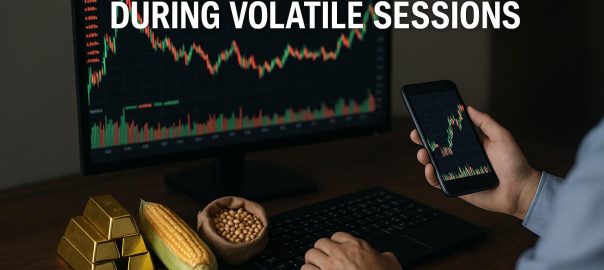
Understanding Commodity ETFs
Commodity Exchange-Traded Funds (ETFs) serve as a viable investment alternative for individuals seeking exposure to the commodities market without the complexities and logistical challenges of directly purchasing physical assets. These investment vehicles track the performance of an underlying commodity or a basket of commodities, allowing investors to gain financial exposure to commodities like gold, crude oil, and agricultural products. This approach provides both opportunities and risks, especially during volatile trading sessions that characterize the commodities market.
Assessing Market Conditions
An essential first step to engaging with commodity ETFs in periods of volatility is a thorough assessment of the prevailing market conditions. Volatility typically stems from a variety of sources. Geopolitical tensions, such as conflicts or trade disputes, can significantly impact the supply and pricing of commodities. Additionally, economic reports that capture data on industrial production, inflation rates, and labor markets can influence investor sentiment and commodity prices. The balance between supply and demand also plays a crucial role in determining commodity prices. Maintaining awareness of these factors is critical for investors, and leveraging resources like financial news platforms and economic analysis reports can facilitate a deeper understanding of market sentiment and potential price movements.
Risk Management Strategies
Effective risk management is a cornerstone of successful investing, particularly within volatile markets. Here are some fundamental strategies to consider:
Diversification: While commodity ETFs assist in diversifying a portfolio concentrated on commodities, diversification should extend across other asset classes as well. A balanced portfolio might include equities, bonds, and alternative investments, which can help mitigate the risks associated with commodity price fluctuations.
Stop-Loss Orders: A practical approach to prevent substantial losses involves implementing stop-loss orders. These orders automatically sell an ETF once its price falls to a pre-set level. This strategy serves as a protective measure during periods of heightened market volatility.
Position Sizing: Assessing and determining the percentage of total investment capital allocated to a specific commodity ETF is vital for risk management. Adopting smaller position sizes can effectively manage risk by limiting potential losses when markets are unpredictable.
Analyzing Historical Data
Historical price data offers valuable insights into a commodity ETF’s past behavior during periods of market volatility. By examining charts and performance data, investors can identify historical patterns and trends that may offer predictive insights. However, it is essential to recognize that past performance does not always predict future outcomes. This data should be used in conjunction with other analytical techniques to form a comprehensive view.
Utilizing Technical Analysis
Technical analysis is a methodology employed to evaluate securities and identify trading opportunities by analyzing statistical trends from trading activities, such as price movements and trading volume. Key technical indicators such as moving averages, the Relative Strength Index (RSI), and Bollinger Bands facilitate the identification of potential entry and exit points by offering insights into historical price movement patterns.
Keeping Emotions in Check
Emotional management is crucial in the realm of investment, particularly amid volatile market sessions where cognitive biases may affect decision-making. Forces such as the fear of missing out (FOMO) or panic-induced selling can lead to suboptimal outcomes. The establishment and adherence to a well-structured trading plan can help maintain objective decision-making in the face of short-term market fluctuations.
Exploring Advanced Trading Strategies
For those with ample experience, exploring advanced trading strategies such as options and futures may offer avenues to hedge positions in commodity ETFs. These financial instruments provide additional flexibility and potential benefits but come with increased complexity and associated risks. Adequate understanding of these instruments and rigorous training are indispensable prerequisites for engaging in advanced trades effectively.
Continuous Learning and Adaptation
Navigating volatile markets requires a dynamic approach, with strategies that adapt to evolving information and circumstances. Continuous education can augment an investor’s proficiency and adaptability. Engaging in webinars, seminars, and online courses focused on commodity markets and trading techniques can lead to improved investment decisions. Investors looking for more detailed insights and resources can explore dedicated financial platforms and professional analyses from reputable sources like Investopedia or similar sites.
In conclusion, commodity ETFs offer a strategic avenue for investors aiming to tap into commodity markets without handling the physical commodities themselves. While they offer opportunities for diversification and financial growth, the associated risks—amplified in volatile market conditions—necessitate careful assessment, robust risk management, and continuous learning. By understanding market dynamics, utilizing historical and technical analysis, and keeping emotions in check, investors can better navigate the complexities of investing in commodity ETFs.
This article was last updated on: August 8, 2026